Cute Animal and Tire Illustration: A Playful Blend for Modern Brands
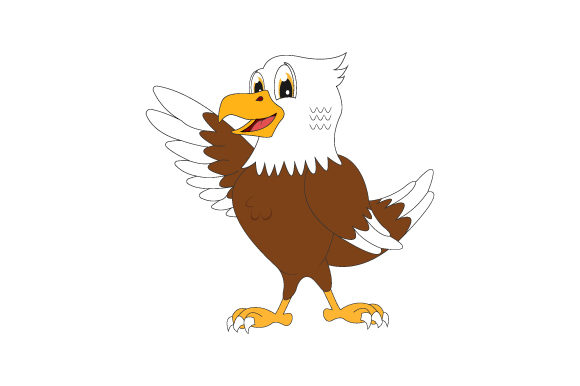
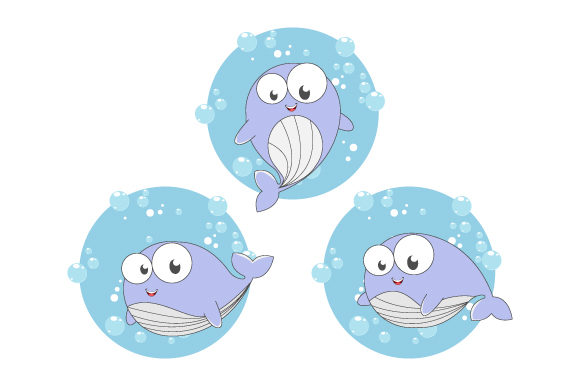
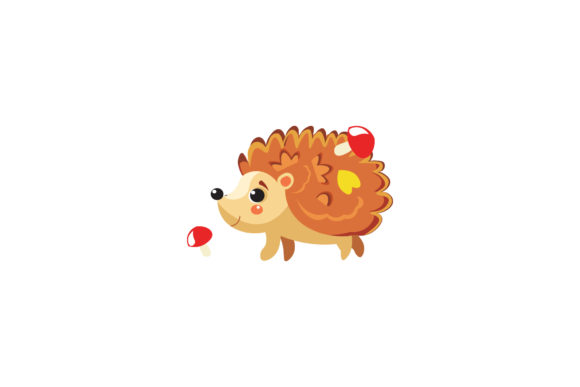
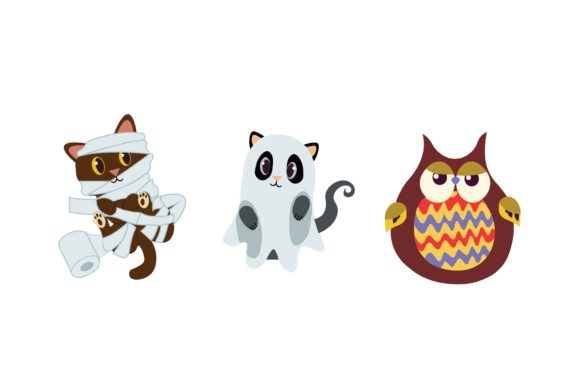
Finding the right visual language for a brand that needs to feel friendly, approachable, and a little bit quirky can be a real challenge. You want something that stands out but doesn't scream for attention. This is where a concept like Cute Animal and Tire Illustration shines. It’s not a traditional typeface in the serif or sans serif sense, but rather a creative font style built around a cohesive set of whimsical vector graphics. Think of it as a design asset library: a collection of charming animal characters—from curious foxes to sleepy bears—all cleverly integrated with or posed around vintage and modern tires.
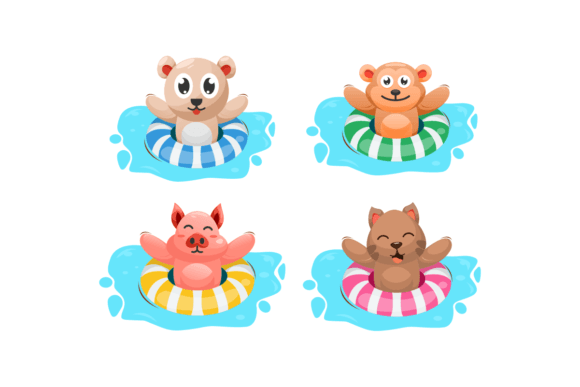
The visual personality here is undeniably warm and nostalgic. The illustration style often leans towards a hand-drawn, textured aesthetic, avoiding harsh digital lines for softer edges and subtle grain. The animals are rendered with expressive, gentle features, giving them instant likability. The tires aren't just props; they become swings, cozy beds, or adventurous vehicles within the scenes. This combination creates a unique brand identity that communicates safety, playfulness, and a touch of retro charm. It’s a premium font concept that works because it’s more than just letters—it’s a complete visual storytelling toolkit.
Where This Illustration Style Truly Excels
While it might not be your go-to for body text in a legal document, the Cute Animal and Tire Illustration style has a powerful niche. It’s exceptionally effective for logo design aimed at family-oriented businesses, children's brands, pet services, or eco-friendly companies that want to highlight durability and reuse. Imagine a children's bicycle shop using a playful badger riding a tire unicycle as its mascot, or a sustainable toy brand incorporating a squirrel curled up in a tire swing.
Beyond logos, its strength lies in packaging design and social media graphics. A snack brand targeting parents could use these illustrations to tell a story on its boxes, creating an engaging unboxing experience. For digital content, these assets are gold. They can break up long-form blog posts, create memorable Instagram carousels, or serve as delightful stickers in messaging apps. In editorial design, think of a magazine feature on DIY projects or vintage car culture—the illustrations could add a layer of whimsy and approachability that pure photography might lack.
Making It Work: Practical Guidance for Your Project
Adopting a specialized illustration font or asset kit like this requires some strategic thinking. First, evaluate the project fit. Is your audience’s core demographic likely to respond to this blend of cuteness and industrial nostalgia? It’s perfect for a daycare center or a mechanic with a family-friendly focus, but less so for a luxury law firm. Test the font pairing with your primary text. These illustrations often pair best with clean, simple modern typography—a neutral sans serif font or a classic serif font can provide a stable, readable foundation that lets the playful graphics take center stage without overwhelming the viewer.
Next, review the included styles and variations. A quality asset pack will offer more than one pose per animal. Look for sets that include different expressions, angles, and compositions. This allows for versatility in your designs. Can the fox be used alone? Can the tire be separated? How do the illustrations scale? Readability considerations are key. While the art itself isn't read like text, its clarity at small sizes (like a favicon or a tiny social media icon) and its impact at large sizes (like a website hero banner) must be tested.
Finally, understand the commercial licensing. If you're a small business owner or entrepreneur planning to use this on products for sale, you need a license that permits commercial use. Don’t assume a free download for personal projects covers this. Investing in a properly licensed premium font or illustration kit protects your business and supports the artists who create these valuable design assets. By thoughtfully integrating this style, you can build a brand identity that feels genuinely unique, engaging, and full of character, helping you connect with your audience on a more human and memorable level.