Charming Duck Illustrations: A Designer’s Vector Toolkit
There is a specific kind of warmth that only hand-drawn aesthetics can bring to a digital project. In a landscape often dominated by sharp vectors and flat minimalism, incorporating organic textures and friendly characters can be a game-changer. This is precisely where this collection of Cute Animal Duck Illustrations Vector shines. It is not merely a set of images; it is a versatile design asset intended to bridge the gap between professional polish and approachable charm. Whether you are a graphic designer building a brand identity or a small business owner creating packaging, these illustrations offer a distinct personality that resonates with audiences across the board.
The Anatomy of the Design: Style and Personality
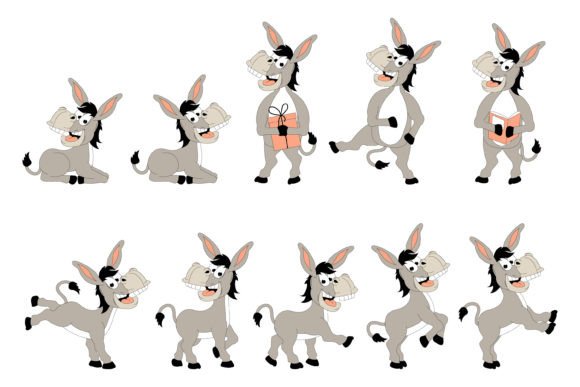
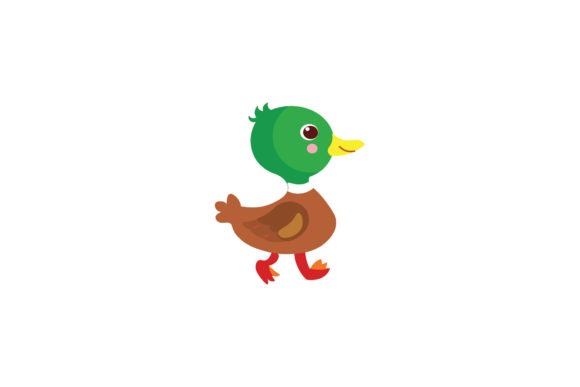
When evaluating design assets, the first thing to look for is the "vibe" or the emotional trigger it pulls. These duck illustrations lean heavily into a whimsical, storybook aesthetic. They are not hyper-realistic biological diagrams; instead, they represent the modern typography trend of prioritizing character over strict accuracy. You will likely notice soft curves, expressive eyes, and a sense of movement that static icons often lack. This style suggests friendliness, innocence, and reliability.
Visually, the line work is balanced to ensure that the illustrations remain legible whether they are scaled up for a hero image or scaled down for a favicon. The visual hierarchy is built into the drawings themselves—the focal point is always the duck, allowing you to place them against busy backgrounds without them getting lost. For marketers and content creators, this is a crucial detail. It means you do not have to strip back your existing design language to accommodate the art; the art adapts to you.
Versatility in Format: From Print to Pixels
A common frustration with premium font and illustration packs is format limitations. You find the perfect image, only to realize it is a low-resolution JPG that pixelates the moment you try to print it on a tote bag. This collection eliminates that friction by providing a comprehensive suite of file types: AI, EPS, SVG, DXF, JPG, and PNG.
Understanding the utility of each format helps you maximize the value of this purchase:
- AI and EPS: These are your workhorses for professional editing. If you need to change the color of the duck’s beak to match a specific hex code in your brand identity, or if you want to merge the duck with a custom script font, these vector formats allow for infinite scalability without quality loss. This is essential for logo design and large-scale print design.
- SVG: The web developer’s best friend. SVGs (Scalable Vector Graphics) are lightweight and resolution-independent. They load fast on websites and look crisp on retina displays. If you are building a website for a daycare, a pet store, or a children’s educational platform, using the SVG format ensures your graphics look sharp on every device.
- DXF: This is the secret weapon for crafters and hobbyists. If you use a Cricut or Silhouette cutting machine, the DXF format allows you to cut these duck shapes out of vinyl, paper, or fabric. Imagine creating custom decals for a nursery or stickers for a planner business.
- JPG and PNG: The universal formats. The PNGs, with their transparent backgrounds, are perfect for quick social media posts, presentation slides, or layering in Photoshop. The JPGs are great for mockups where you need a solid background.
Strategic Application: Where These Ducks Belong
While these are Cute Animal Duck Illustrations Vector files, their application goes far beyond just "cute pictures." As a brand strategist, I often advise clients to use mascots to humanize their service. A friendly duck can soften the edges of a corporate message or make a technical product feel more accessible.
Branding and Packaging
For entrepreneurs in the food industry, specifically eggs, poultry, or bakery items, these illustrations are gold. They offer an instant "farm-to-table" or "homemade" feel. On packaging design, a vector duck can serve as a seal of quality or a playful background pattern. Because the files are editable, you can create a cohesive look across your labels, business cards, and social media headers, ensuring brand consistency.
Digital Marketing and Social Media
In the fast-scrolling world of Instagram or TikTok, stopping power is everything. A quirky duck illustration can serve as a visual anchor in a carousel post or a sticker in a Story. Bloggers can use these illustrations to break up text-heavy posts, improving readability and keeping the reader engaged. Unlike stock photos, which can feel generic, vector art feels intentional and designed, which boosts your perceived professionalism.
Editorial and Web Design
In editorial design, spot illustrations are vital for guiding the reader's eye. A small duck graphic in the margins of a magazine or a newsletter can add a touch of whimsy without distracting from the main content. In web design, these can be used as loading icons, 404 page graphics, or section dividers. They add personality to the user interface (UI), making the browsing experience more memorable and increasing audience engagement.
Practical Guide to Implementation
Buying the asset is only the first step; implementing it effectively is where the value lies. Here is a practical checklist for integrating these vectors into your workflow:
- Evaluate the Fit: Before you drop the duck into your design, ask if it matches the tone. While perfect for children’s products, food service, and family-friendly brands, it might feel out of place on a luxury law firm’s website. Context is key in design assets.
- Check Your Pairings: Illustrations need to play nice with your typeface. Because these ducks have a hand-drawn feel, they pair exceptionally well with handwritten fonts or rounded sans serif fonts. Avoid pairing them with overly rigid, ultra-condensed serif fonts, as the contrast might feel jarring rather than complementary.
- Color Harmony: Use the vector editing capabilities (AI/EPS) to sample colors directly from your existing palette. If your brand uses pastels, tint the ducks. If you use bold neons, adjust the saturation. This ensures the illustration feels native to your design rather than "stuck on."
- Licensing and Usage: The prompt notes that this design is "easy to use and can be edited as needed." This is the hallmark of a commercial font and asset license that respects the creator's work while empowering the user. Always double-check the specific license for print-on-demand limits if you plan to sell the artwork itself (like on t-shirts), but for branding and marketing use, you are generally clear to proceed.
Technical Specifications and Canvas Size
The collection comes with a generous Canvas Size: 1920 px X 1280 px. This is a standard high-definition aspect ratio (3:2), making it ideal for landscape presentations, blog headers, and desktop wallpapers. For content creators making YouTube thumbnails or video overlays, this resolution is more than sufficient to maintain clarity.
However, because they are vectors (in AI, EPS, SVG), the pixel dimensions are somewhat theoretical—you can scale them to the size of a billboard without losing sharpness. The 1920x1280 base simply gives you a high-quality rasterized starting point if you choose to use the JPG or PNG versions without opening vector software.
Conclusion: Adding Heart to Your Projects
In a digital world that can often feel sterile, adding a touch of humanity to your visuals is a strategic advantage. These Cute Animal Duck Illustrations Vector are more than just decorative elements; they are tools for storytelling. They allow designers to inject emotion into their work and help business owners connect with their customers on a human level. By utilizing the various file formats and integrating the illustrations thoughtfully into your brand identity